
Welcome to WordPress. This is your first post. Edit or delete it, then start writing!
 admin
CBD Oil and Chronic Pain Research
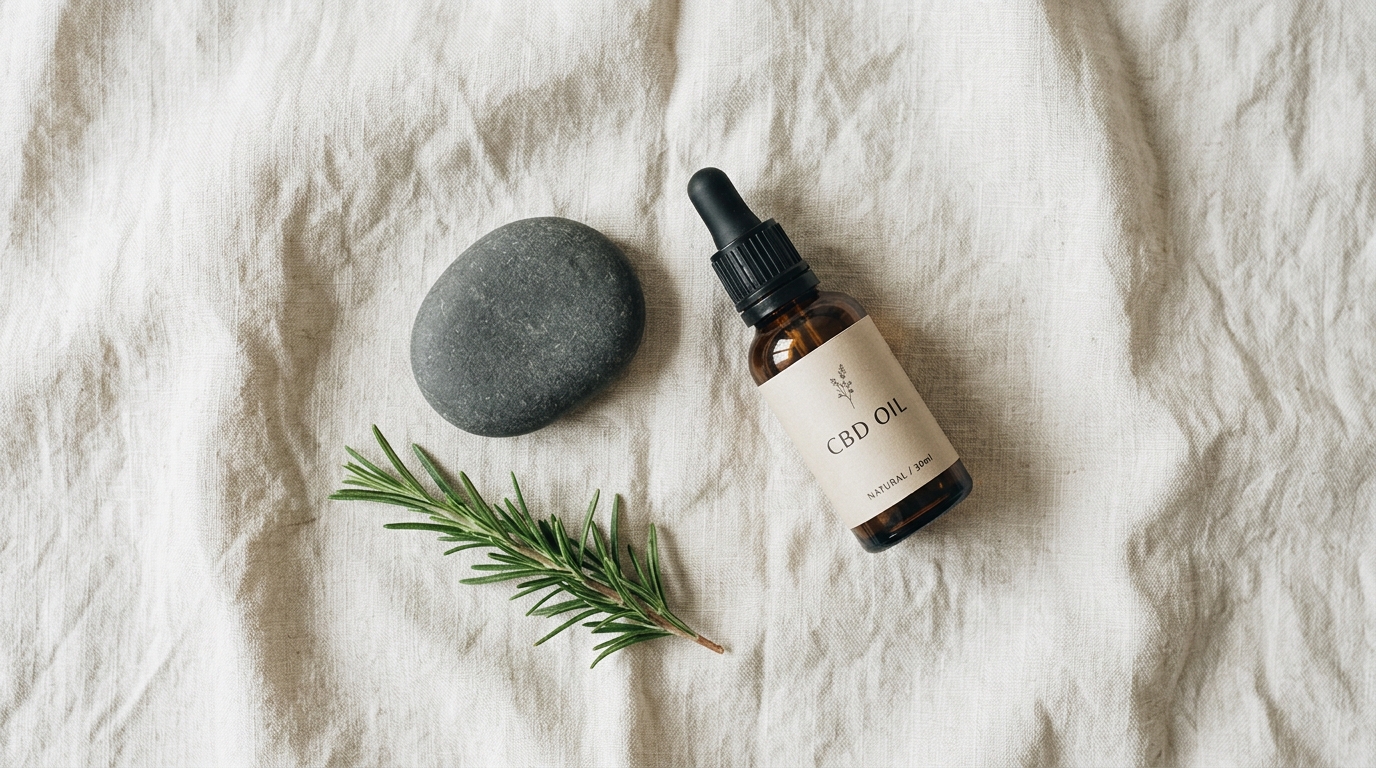
Chronic pain wears on people in ways a scan never shows. It cuts into sleep, work, and mood, and the usual treatments leave many people only partly relieved. That gap explains why CBD oil is one of the most searched add-ons in pain care, and why the research deserves a slow read.
Why Pain Draws So Much Interest
The scale of the problem
The Centers for Disease Control and Prevention reported that about 20.9 percent of U.S. adults, roughly 51.6 million people, had chronic pain in 2021, defined as pain on most days or every day over the previous three months. About 6.9 percent, or 17.1 million adults, had high-impact chronic pain that limits work or daily activity. The figures come from national health survey data published in 2023.
Pain is also the most common reason adults gave for using CBD in the 2019 Gallup poll on the subject. Demand is obvious. The question is what the trials show.
What CBD might be doing
In rodents, CBD reduced pain behavior most reliably in nerve-injury models, with mixed results in inflammatory models. The authors of a 2022 Danish trial summarized the animal work that way. Lab studies point to several targets, including serotonin and TRPV1 receptors, which are involved in how pain signals are processed. Animal results guide human trials, but they often fail to carry over.
What Human Trials Found
The large reviews
A 2025 update in the Annals of Internal Medicine, led by researchers at Oregon Health & Science University, analyzed 25 short-term placebo-controlled trials with 2,303 adults, 64 percent of them with neuropathic pain. Products with higher ratios of THC to CBD produced small short-term improvements in pain and function, especially for nerve pain. They also caused moderate to large increases in dizziness, sedation, and nausea.
A separate living systematic review, updated in 2025 for the Agency for Healthcare Research and Quality, covered 29 randomized trials with 2,579 participants. It concluded that low- to moderate-strength evidence supports small improvements in pain, mostly neuropathic, with more common adverse events. Studies were short, typically one to six months.
Notice what both reviews describe: most of the measurable gains came from products that contain THC, not from CBD alone.
CBD by itself
The cleanest test of CBD alone is a 2022 randomized trial in the journal Pain. Danish researchers gave 136 people with hand osteoarthritis or psoriatic arthritis either 20 to 30 mg of synthetic CBD daily or a placebo for 12 weeks, as an add-on to their usual pain medicines. Pain intensity did not differ between the groups. A reduction of more than 30 mm on a 100 mm scale occurred in 22 percent of the CBD group and 21 percent of the placebo group.
The authors noted that higher doses might behave differently. The dose they used matches what many retailers and cannabis groups recommend, which makes the result relevant to a typical shopper.
A small 2020 trial of a topical CBD oil in 29 people with nerve pain in the feet reported lower pain scores over four weeks. The size and length of that study limit what it can show.
| Source | Who or what | Dose or product | Finding |
|---|---|---|---|
| Annals of Internal Medicine, 2025 | 25 trials, 2,303 adults | Mostly THC-containing products | Small short-term gains, more dizziness and sedation |
| AHRQ living review, 2025 | 29 trials, 2,579 participants | Cannabinoids of several kinds | Small gains, mostly nerve pain |
| Pain, 2022 | 136 people with hand arthritis | 20 to 30 mg CBD daily | No difference from placebo |
| Topical trial, 2020 | 29 people with foot nerve pain | Topical CBD oil | Lower pain scores, small study |
Why placebo matters so much in pain research
Pain ratings are personal. Expectation, mood, sleep, and attention all move the number, which is why placebo responses in pain trials run high. In the Danish arthritis trial, about 21 percent of the placebo group reported a drop of more than 30 mm on the 100 mm scale, nearly the same share as the CBD group. Publicity around CBD can raise expectations further. A person who feels better after starting an oil has real relief, but without a comparison group there is no way to tell how much came from the oil itself.
What “small” looks like
A 2018 systematic review in the journal Pain, led by Emily Stockings, looked at cannabinoids for chronic non-cancer pain, mostly products containing THC. It put the number needed to treat for a 30 percent pain reduction at 24, and the number needed to harm at 6. In plain terms, 24 people would need treatment for one to reach that benefit, while one in six would experience a side effect. The balance is not a good deal for everyone.
What the trials do not cover
Most of these studies lasted one to six months, while chronic pain often lasts years. Long-term benefit and long-term safety are therefore open questions. The 2025 living review also looked at six large observational studies with 34,374 participants and found their methods too limited to draw conclusions about pain, function, or adverse events, including cardiovascular effects. Short trials and imperfect long-term data leave real gaps.
Not all pain is the same
Pain is a label for several different problems. Nerve pain, joint pain, muscle pain, and headache all have different causes, and a treatment that helps one can do nothing for another. The strongest signals in the reviews came from neuropathic pain, which made up 64 percent of the participants in the 2025 Annals analysis. For joint pain, the best trial of CBD alone found no benefit. For low back pain and fibromyalgia, the evidence for CBD specifically remains thin. That unevenness is one more reason to be wary of any product that claims to ease every kind of pain.
Practical Notes for Living With Pain
What comes first
Pain care guidelines emphasize exercise, physical therapy, pacing activity, and psychological approaches such as cognitive behavioral therapy. Over-the-counter and prescription medicines have a place too, chosen with a clinician. These approaches have far more evidence than CBD oil and fewer unknowns.
If CBD oil is on the table
A careful trial of CBD oil usually follows a few steps:
- Tell the clinician or pharmacist first. Opioids, gabapentinoids, and sleep medicines can add to CBD’s drowsiness, and acetaminophen and CBD are both processed by the liver.
- Choose a product with a batch-specific lab report from an independent lab.
- Rate pain each day on a 0 to 10 scale and write it down, along with sleep and activity.
- Change only one thing at a time, so a good or bad week has a clear explanation.
- Judge the trial after four to eight weeks, not four days, and drop it if nothing has shifted.
- Avoid driving or heavy machinery until the effect on alertness is known.
Topical products
Creams and balms keep CBD on the skin, and many people prefer them for a sore joint or muscle. The trial evidence is limited to a few small studies, and many products pair CBD with menthol, camphor, or capsaicin, which create cooling or warming sensations on their own. Those sensations can feel like relief without saying anything about CBD. Topicals should stay off broken skin, and a patch test on a small area helps rule out irritation.
Combining with other pain medicines
Opioids, gabapentin, pregabalin, and muscle relaxants all cause drowsiness, and CBD can add to it. Acetaminophen and CBD are both processed by the liver, so anyone using both regularly can ask a pharmacist whether the combination suits them. Alcohol belongs on the same list. A short written list of every medicine and supplement makes that conversation faster and safer.
Signs that need prompt medical attention
Some pain is a symptom of something that cannot wait for a supplement trial. Seek care promptly for:
- New numbness or weakness in the arms or legs
- Loss of bladder or bowel control
- Fever together with back pain
- Unexplained weight loss alongside pain
- Severe pain after an injury or fall
Cost and time
A regular supply of CBD oil can add up over months, which makes a fixed trial period useful. Decide in advance how long the test will run, what change would count as a success, and what will happen if nothing shifts. Spending stops being a guess when the end date and the success measure are written down before the first dose.
Setting expectations
For nerve pain, trials of THC-containing products show small improvements on average. For joint pain, the best trial of CBD alone found no benefit over placebo at a common retail dose. That does not mean no one benefits. Individual responses vary, and placebo responses in pain research are strong. A gain that appears in a notebook but not in a controlled trial may reflect expectation, natural fluctuation, or a real effect, and there is no way to separate them without a study.
Final Thoughts
Chronic pain is common and hard to treat, so interest in CBD oil makes sense. The strongest trials show small gains, mostly in nerve pain and mostly with products that contain THC, while the best test of CBD alone found no benefit over placebo. Exercise, therapy, and clinician-guided treatment come first. Anyone who tries CBD oil should track pain daily and involve a pharmacist.